
Know Your Rights: Dealing with Traffic Violations
Whether you've been injured in an accident, are dealing with a personal injury claim, or facing another legal issue, Mendez & Sanchez APC is here to fight for you. Contact us today for a free, no-obligation consultation.
Call Us Now
When it comes to dealing with traffic violations, knowledge is power. Whether it's a speeding ticket, a red light violation, or a parking offense, understanding your rights and knowing how to handle these situations can make a significant difference. This guide aims to equip you with essential information and practical tips to navigate traffic violations effectively, ensuring your rights are protected every step of the way.
Know Your Rights: Dealing with Traffic Violations
Dealing with traffic violations can be a daunting experience, but being aware of your rights is crucial to protect yourself. Let's delve into the essential aspects of handling traffic violations effectively.
1. Understanding Traffic Violations
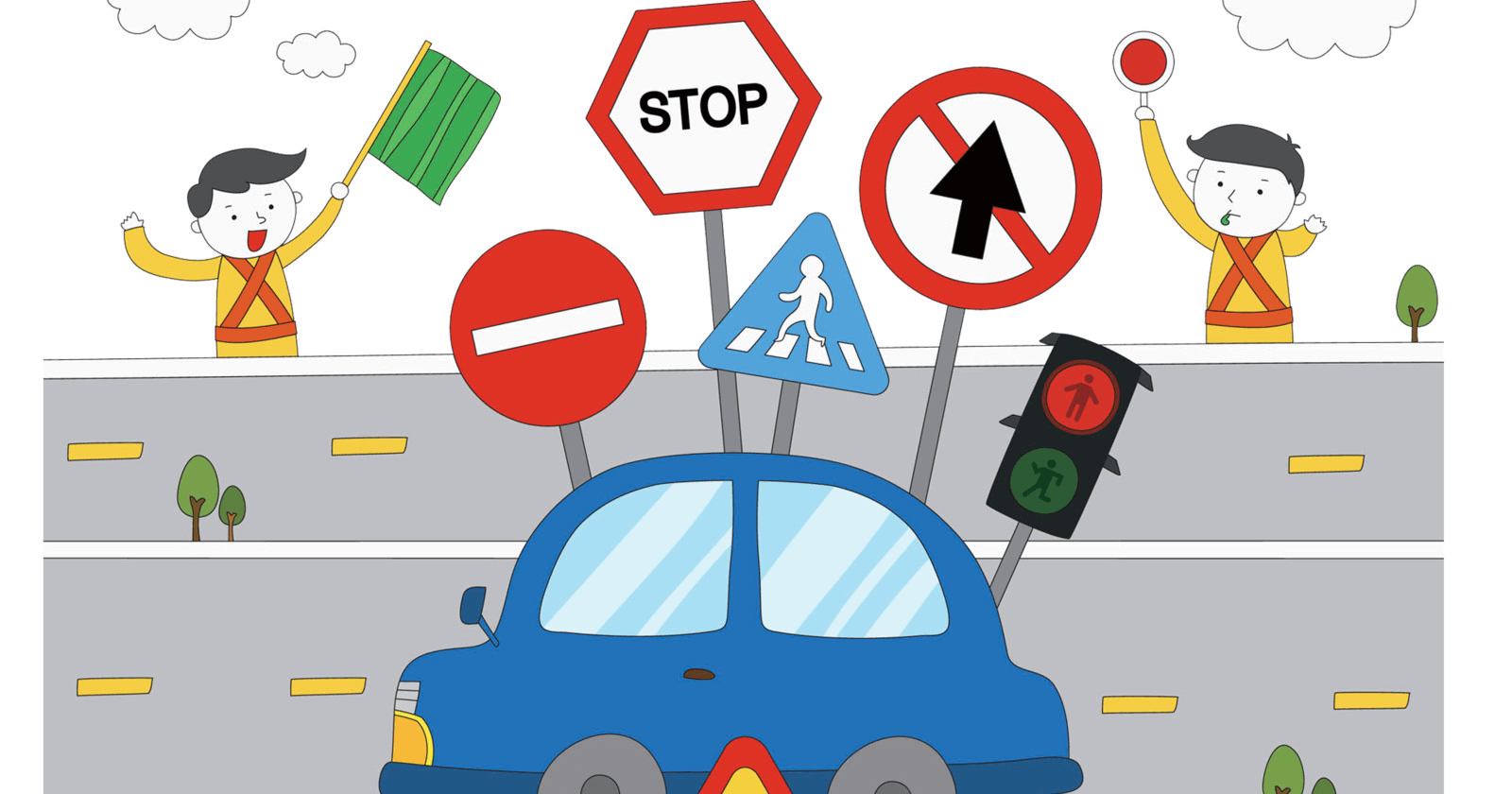
Traffic violations encompass a wide range of infractions, including speeding, reckless driving, running red lights, failure to yield, and more. Familiarize yourself with the types of offenses and their potential consequences to better navigate the situation.
Different Types of Traffic Violations
Traffic violations can be categorized into various types, such as:
- Speeding violations
- Red light and stop sign violations
- Reckless driving
- Driving under the influence (DUI)
- Improper lane usage
- Failure to yield
- Parking violations
- And more
Consequences of Traffic Violations
Traffic violations can result in various consequences, including:
- Fines
- License points
- Increased insurance rates
- License suspension
- Mandatory traffic school
- Legal penalties (such as community service or probation)
- Vehicle impoundment
- And more
2. Your Rights When Pulled Over
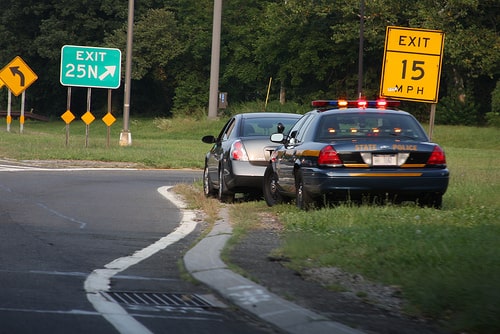
Being pulled over by law enforcement can be a nerve-wracking experience. However, it's important to remember your rights during a traffic stop.
Exercise Your Right to Remain Silent
While it's essential to be respectful, you have the right to remain silent. Avoid self-incrimination and provide only necessary information when asked.
Request an Explanation for the Stop
If you're unsure why you were pulled over, politely ask the officer for the reason behind the stop. Understanding the violation can help you better address the situation later.
Present Required Documents
When requested, present your driver's license, vehicle registration, and proof of insurance. Keep these documents readily accessible to avoid fumbling or unnecessary delays.
3. Responding to Traffic Violation Citations
Once you receive a traffic violation citation, it's crucial to handle it promptly and appropriately. Here are some steps to follow:
Read the Citation Thoroughly
Carefully read the citation to understand the violation and the instructions provided. It will outline the fine amount, due date, and potential consequences if left unresolved.
Consider Your Options
After receiving a citation, you typically have several options, such as:
- Paying the fine
- Contesting the citation in court
- Attending traffic school (if eligible)
- Consulting with an attorney
Paying the Fine
If you choose to pay the fine, ensure you do so before the due date specified on the citation. Failure to pay on time can result in additional penalties.
Contesting the Citation
If you believe you've been wrongly cited or wish to present your case, you can contest the citation in court. Prepare any evidence or witnesses that support your argument and consult with an attorney, if necessary.
Conclusion
Understanding your rights and knowing how to navigate traffic violations is crucial for protecting yourself and minimizing the consequences. By familiarizing yourself with the types of violations, your rights during a traffic stop, and the options available after receiving a citation, you can make informed decisions and take appropriate action. Remember, seeking professional legal advice is always beneficial, especially when dealing with complex situations.
Frequently Asked Questions
I got caught by a red light camera in California — can I actually fight that ticket?
Yes, you can contest a red light camera ticket in California, and many people successfully do. Under California Vehicle Code 21455.5, red light camera evidence must meet strict requirements, including a signed declaration from a technician certifying the equipment was working correctly — if the prosecution cannot produce that, the ticket may be dismissed. You can request a court hearing by checking the 'not guilty' option on your courtesy notice and submitting it before the deadline, which is typically 30 days. An attorney can help you challenge the chain of custody for the photo evidence or raise procedural defects that most drivers don't know to look for.
How much will a speeding ticket actually raise my car insurance in California?
In California, a single speeding ticket typically increases auto insurance premiums by 20% to 30% on average, though the exact amount depends on your insurer, your driving history, and how fast you were going. Under California Insurance Code 1861.02, insurers must use your driving record as a primary rating factor, meaning violations have a direct and measurable impact on what you pay. A conviction for going 1–15 mph over the limit adds one point to your DMV record under California Vehicle Code 12810, while 16 mph or more over adds two points — and insurers can see those points for three years. Keeping the conviction off your record entirely, either by contesting the ticket or attending traffic school, is the most effective way to protect your rates.
Am I eligible for traffic school after a traffic ticket in California, and how does it help?
In California, you are generally eligible to attend traffic school once every 18 months if you hold a non-commercial license, were cited for a moving violation, and the offense is not an alcohol or drug-related charge under California Vehicle Code 41501. Completing a DMV-licensed traffic school course — which can now be done online — allows the court to mask the point from your driving record, meaning your insurance company will not see the violation. You must request traffic school before your court date and pay both the fine and a court administrative fee, which varies by county but typically ranges from $49 to $64 in Los Angeles County. This is one of the simplest and most cost-effective strategies to avoid an insurance rate increase after a minor moving violation.
What can I do if I got a traffic ticket in California but there's no way I can afford to pay the fine?
If you cannot afford to pay a California traffic ticket, you have several legal options that courts are required to consider under California Vehicle Code 42003 and Assembly Bill 1810, which strengthened low-income protections. You can appear in court and request a payment plan, ask for a fine reduction based on financial hardship, or apply for a fee waiver if your income is at or below 125% of the federal poverty level. Importantly, under California law as of 2022, courts can no longer suspend your driver's license solely for failure to pay a fine — a reform under AB 3301 — so your ability to drive is better protected than it used to be. We strongly encourage you to appear before the due date rather than ignoring the citation, because failing to appear triggers additional fines under Vehicle Code 40508 and can still lead to a warrant.
How long does a traffic ticket stay on my driving record in California?
In California, most standard moving violations — such as speeding or running a stop sign — remain on your DMV driving record for 39 months (just over three years) from the date of the violation under California Vehicle Code 1808.10. More serious offenses carry longer timelines: a DUI conviction stays on your record for 10 years, and a hit-and-run or reckless driving conviction remains for 7 years. Insurance companies typically review the last 3 to 5 years of your record when calculating premiums, so even a violation that has 'aged off' your DMV record may still affect your rates depending on your policy renewal date. If you successfully complete traffic school and the point is masked, the conviction is still technically on your record but is not visible to insurers or employers doing routine checks.
Is it ever possible to negotiate down a traffic ticket fine or get the charges reduced in California?
Yes, in California it is sometimes possible to negotiate a traffic ticket, though it depends heavily on the county, the specific violation, and whether you have a clean prior record. In many California courts, you can request an informal hearing with a commissioner or judge — sometimes called a 'trial by declaration' under California Vehicle Code 40902 — where you submit a written defense without appearing in person, and the outcome can include a reduced fine or dismissal. Some counties also allow prosecutors to reduce a violation to a non-moving infraction in exchange for a guilty plea, which keeps points off your record entirely. Having an experienced traffic attorney represent you significantly improves your chances, because they know the tendencies of local courts and can identify procedural or evidentiary weaknesses in the citation that most drivers would overlook.